


















Rapper Balen Shah-led RSP Set for Big Win, but Nepal's Election System is Not Just That: ‘PR’ Feature, Explained
Balen Shah's Rastriya Swatantra Party (RSP) has made a stunning debut in Nepal's political landscape, securing a massive win in the elections for 60% of the seats. However, the remaining 40% of seats will be allocated through the Proportional Representation (PR) system, which could alter the final power dynamics. This article explains Nepal's unique election system and its implications for RSP's victory.
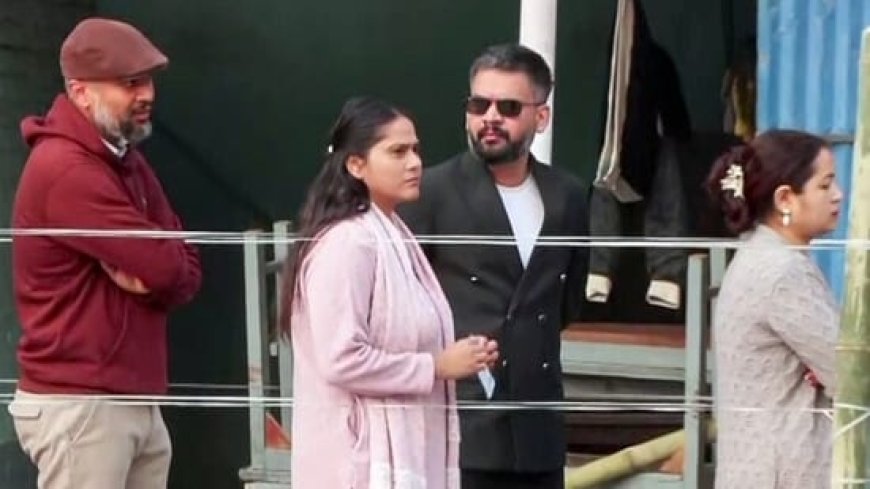
Nepal's recent elections have sent shockwaves through the political establishment, with rapper-turned-politician Balen Shah's Rastriya Swatantra Party (RSP) emerging as a major force. The party has secured a landslide victory, winning 60% of the directly elected seats, upending the traditional dominance of Nepal's mainstream political parties.
However, Nepal's election system is not as straightforward as it seems. While 60% of the seats in the House of Representatives are filled through direct elections, the remaining 40% are allocated through the Proportional Representation (PR) system. This system aims to ensure that smaller parties and marginalized groups are fairly represented in the parliament based on their vote share.
The PR system works by distributing the remaining seats among parties in proportion to the total votes they received nationwide. For instance, if a party secures 10% of the total votes, it will be allocated approximately 10% of the PR seats. This mechanism can significantly alter the final seat distribution, potentially reducing RSP's dominance or strengthening its position, depending on its overall vote share.
For Balen Shah's RSP, the PR allocation will be crucial. While the party has already secured a strong foothold through direct elections, its performance in the PR segment will determine its ability to form a government or influence policy-making. Political analysts suggest that RSP's appeal to younger voters and its anti-establishment stance could translate into a substantial vote share, further bolstering its position.
Critics, however, argue that the PR system can sometimes lead to fragmented parliaments and unstable governments, as it allows smaller parties with varying agendas to gain representation. Despite this, the system is seen as essential for fostering inclusivity and diversity in Nepal's political landscape.
As the final results are tallied, all eyes are on how the PR seats will be distributed and what it means for RSP's historic win. Nepal's unique election system ensures that while direct elections provide a clear mandate, the PR feature adds a layer of complexity, making the final outcome a true reflection of the nation's diverse political will.
Nepal's election commission is expected to announce the complete results, including PR seat allocations, in the coming days, providing a clearer picture of the country's political future.