



















Nuclear Stockpile to Kharg Island: Why Trump Wants to Send Special Forces to Iran
The United States and Israel are reportedly discussing the deployment of special forces inside Iran to secure the country’s stockpile of highly enriched uranium. This move comes amid escalating tensions over Iran’s nuclear program and concerns about regional stability. The potential operation, focused on Kharg Island, highlights the Trump administration’s aggressive approach to countering Iran’s nuclear ambitions.
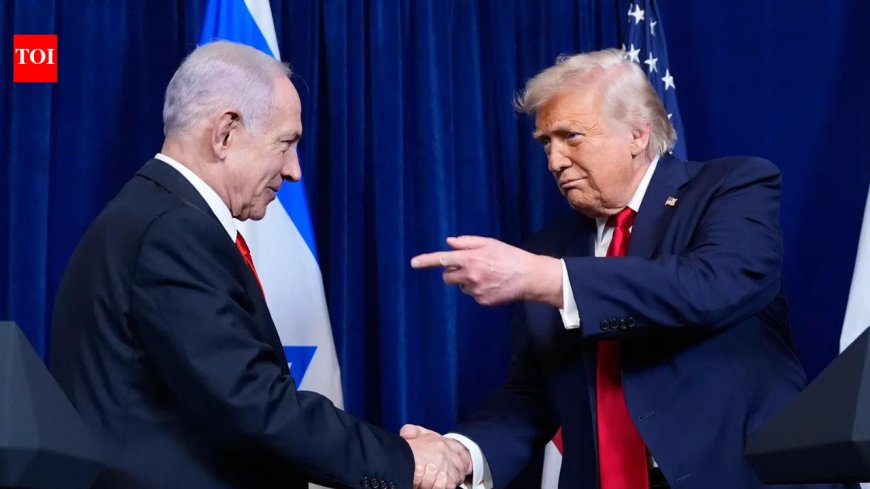
In a development that could significantly escalate tensions in the Middle East, the United States and Israel are reportedly in talks to deploy special forces inside Iran. The primary objective of this operation would be to secure Iran’s stockpile of highly enriched uranium, which has long been a point of contention between Tehran and the international community. The discussions, first reported by unnamed sources close to the Trump administration, suggest that Kharg Island—a strategic location in the Persian Gulf—could be a key target for such an operation.
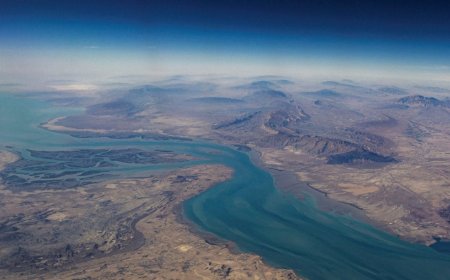
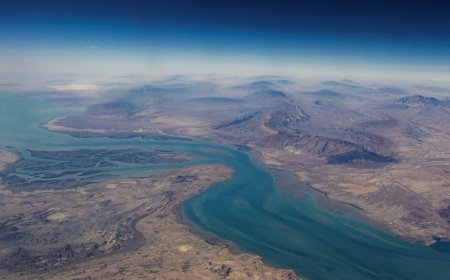
Kharg Island is a critical hub for Iran’s oil exports and is believed to house facilities related to its nuclear program. Securing these sites would not only prevent Iran from further advancing its nuclear capabilities but also send a strong message about the U.S. and Israel’s commitment to regional security. However, such a move would likely be seen as a direct provocation by Iran, potentially leading to a dangerous escalation in an already volatile region.
The Trump administration has taken a hardline stance against Iran since withdrawing from the 2015 Iran Nuclear Deal, reimposing sanctions, and increasing military pressure. This latest proposal aligns with President Trump’s strategy of using military and economic tools to curb Iran’s influence. However, critics argue that deploying special forces into Iran could trigger a broader conflict, with unpredictable consequences for the Middle East and beyond.
Israel, which views Iran’s nuclear program as an existential threat, has been a key ally in pushing for aggressive action. Israeli Prime Minister Benjamin Netanyahu has repeatedly called for international efforts to prevent Iran from obtaining nuclear weapons. The reported collaboration between the U.S. and Israel underscores the shared concerns of both nations regarding Iran’s nuclear ambitions.
While the details of the operation remain unclear, the mere possibility of such a mission has already sparked debate among policymakers and analysts. Some argue that it could be a necessary step to prevent Iran from becoming a nuclear power, while others warn that it risks destabilizing the region further. The international community, particularly countries like Russia and China, which have maintained ties with Iran, are likely to oppose any unilateral military action.
As tensions continue to rise, the world watches closely to see whether the Trump administration will proceed with this bold and controversial plan. The outcome could reshape the geopolitical landscape of the Middle East and determine the future of Iran’s nuclear program.